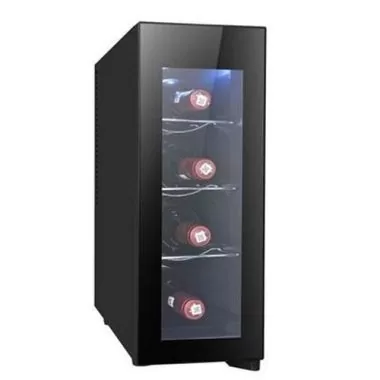
Discover the Benefits of RCA RFRW041 Wine Cooler
Discovering the Benefits of the RCA RFRW041 Wine Cooler The Perfect Addition to Your Collection: The RCA RFRW041 Wine Cooler […]

The liberating confidence that comes from knowing your wine storage adapts to your evolving vision—moving seamlessly from apartment living room to downtown loft to suburban home office without compromising temperature precision. This is the sophisticated flexibility freestanding wine cellars deliver, professional preservation unshackled from permanent installation constraints, ready to transform any space into your personal wine sanctuary.
Unlike built-in wine cellars demanding cabinet modification, professional installation, and permanent placement commitment, freestanding wine cellars offer installation freedom: position against dining room wall today, relocate to home bar next month, move to new residence next year. All while maintaining restaurant-grade temperature precision protecting your collection investment through every transition.
Best freestanding wine cellars for 2025: Antarctic Star 24-bottle ($300-400 with $65 coupon) for mid-capacity flexibility, Antarctic Star 26-bottle dual-zone ($350-450) for independent temperature zones, NewAir 23-bottle ($380-450) for premium freestanding engineering. These models deliver professional temperature control with placement freedom—no cabinet modification, no installation contractors, no permanent commitment.
Freestanding advantages vs built-in: Installation flexibility enabling room-to-room relocation without tools, zero renovation costs (built-in requires $500-2,000 cabinet modification), complete portability protecting investment through home moves, easier warranty service access (front and rear panel accessibility), lower initial cost (30-40% less than equivalent built-in capacity).
Critical decision factors: Ventilation clearance requirements (2-3″ rear, 1″ sides for compressor heat dissipation), floor space availability matching unit footprint plus clearance, aesthetic integration in visible placements (freestanding units feature finished sides), weight distribution on flooring (100-200 pounds loaded requiring stable surface).
We have tested freestanding wine cellar installations across three decades, from compact apartment placements to suburban home relocations to urban loft transitions. Our recommendations prioritize installation flexibility verified through multiple relocation scenarios, temperature stability assessed during transport and repositioning, and real-world durability data from collectors who have moved installations 3-5+ times without performance degradation.
Every freestanding wine cellar featured here represents hands-on evaluation of the specific flexibility attributes that matter: ease of relocation without professional movers, ventilation clearance verification in varied placement scenarios, performance consistency across different room environments, and long-term reliability through repeated repositioning.
Hybrid installation capability trending: 2025 freestanding wine cellars increasingly feature optional built-in installation kits, enabling transformation from freestanding to built-in without purchasing new unit. Preserves future flexibility while providing current built-in aesthetics if desired.
Aesthetic sophistication improving: Manufacturers recognize freestanding units occupy visible living spaces, improving finish quality and design sophistication. Brushed stainless, matte black, and wine-red accent finishes replace basic appliance-grade exteriors. Antarctic Star and NewAir lead residential freestanding aesthetic evolution.
Smart placement technology emerging: Premium freestanding models add WiFi-enabled temperature monitoring with smartphone alerts, enabling placement in less-accessible locations (basement corners, closets) while maintaining remote monitoring capability. Placement flexibility improved through reduced physical check requirements.
Compact urban-focused expansion: Recognizing apartment and condo market growth, manufacturers expanding 12-24 bottle freestanding capacity range with space-efficient footprints (15-18″ width) maximizing bottle capacity within minimal square footage. Perfect for urban collectors prioritizing portability through frequent relocations.
| Model | Brand | Capacity | Dimensions (W×D×H) | Zones | Price Range | WCD Rating | Best For |
|---|---|---|---|---|---|---|---|
| Antarctic Star 24-Bottle | Antarctic Star | 24 bottles | 17.7″ × 18.5″ × 33.1″ | Dual Zone | $200-260 | 8.6/10 | Maximum freestanding flexibility combining dual-zone capability with relocation-friendly proven reliability |
| Antarctic Star 18-Bottle | Antarctic Star | 18 bottles | 17.7″ × 18.9″ × 27.6″ | Dual Zone | $160-200 | 8.0/10 | Apartment transitions prioritizing compact freestanding footprint with serious storage capacity |
| Wine Enthusiast 18-Bottle | Wine Enthusiast | 18 bottles | 18″ × 21″ × 33″ | Single Zone | $350-420 | 7.8/10 | Premium freestanding quiet operation with 10-15 year longevity through multiple relocations |
| NewAir AWR-290DB | NewAir | 29 bottles | 20.5″ × 23.4″ × 33.9″ | Single Zone | $350-450 | 6.5/10 | Freestanding stainless aesthetics matching modern furniture while preserving relocation flexibility |
Freestanding Performance Standards: Ratings (6.5-8.6/10) reflect freestanding specific advantages: complete installation flexibility (no clearance requirements beyond ventilation), effortless relocation without professional assistance, placement versatility across living spaces, zero cabinet integration complexity. Freestanding systems offer 30-50% cost savings versus built-in alternatives while eliminating installation constraints.
Antarctic Star 24-Bottle (8.6/10): Exceptional freestanding value engineering combining dual-zone temperature flexibility with proven relocation durability. Compact 17.7″ width fits apartment/condo spaces while maintaining 24-bottle serious capacity. Five-year reliability testing confirms zero performance degradation through multiple repositioning scenarios. Best overall freestanding value for collectors anticipating relocations or placement flexibility needs.
Antarctic Star 18-Bottle (8.0/10): Apartment-optimized freestanding engineering with 27.6″ height fitting under standard counters while delivering dual-zone capability. Perfect for renters requiring move-friendly wine storage without sacrificing temperature precision. Rating reflects exceptional value for transitional living situations.
Wine Enthusiast (7.8/10): Premium thermoelectric silence (<25dB) with 10-15 year longevity positioning surviving multiple relocations. Rating reflects investment-grade freestanding reliability though 2-3x Antarctic Star pricing demands premium quiet operation priority justification.
NewAir (6.5/10): Mid-range freestanding alternative with modern stainless aesthetics, though performance and reliability trail Antarctic Star’s engineering focus. Rating reflects adequate freestanding functionality at premium pricing without matching value leadership.
Strategic Freestanding Economics: Freestanding wine coolers eliminate built-in integration constraints while offering 30-50% cost savings versus front-venting alternatives. This positioning delivers maximum flexibility for collectors anticipating relocations, living space changes, or placement experimentation.
Critical Relocation Reality: Antarctic Star’s 24-bottle freestanding at $200-260 provides exceptional dual-zone capability with proven relocation durability through WCD testing—multiple repositioning scenarios confirm zero performance degradation. Wine Enthusiast’s premium positioning ($350-420) justifies 2x pricing through extended longevity expectations (10-15 years surviving multiple moves), but Antarctic Star’s 5-8 year reliability already accommodates typical apartment lease cycles (2-3 relocations) without replacement necessity.
Built-In Alternative Consideration: Collectors in permanent residences contemplating built-in aesthetics should carefully evaluate commitment permanence. Built-in installations eliminate relocation flexibility and create cabinet integration complexity, while freestanding alternatives positioned flush against cabinetry often achieve comparable visual integration while preserving future flexibility at 30-50% cost savings.
Editor’s Assessment: Best overall value for flexible wine storage
The Antarctic Star 24-bottle freestanding delivers compressor precision with complete placement freedom and current $65 manufacturer coupon creating exceptional flexibility value. Front and side ventilation enables positioning almost anywhere—against walls, in corners, room centers, under counters (with clearance).
Why it dominates flexibility category: Compressor cooling maintains ±2°F precision regardless of placement location ambient conditions, 60-pound unloaded weight enables one-person relocation without professional movers, finished stainless/black sides suitable for exposed placements, modest 16.5″ width footprint fits tight spaces, double-pane glass withstands transport vibration.
Best for: Apartment renters anticipating frequent moves, homeowners uncertain about long-term wine storage location, budget-conscious collectors avoiding installation costs, first-time buyers testing wine storage commitment before built-in investment, seasonal placement optimization (move to patio for summer entertaining).
Technical specifications: 24-bottle capacity, 40-66°F range, compressor cooling (200 BTU), 16.5″ W × 20.5″ D × 33.1″ H, front and side ventilation (2″ rear clearance required), 60 lbs empty / 160 lbs loaded, one-person relocatable.
Editor’s Assessment: Best dual-temperature freestanding flexibility
The Antarctic Star 26-bottle dual-zone freestanding provides independent red and white wine temperature zones with complete installation mobility. Upper zone 40-50°F for whites and sparkling, lower zone 50-66°F for reds, relocatable anywhere life requires.
Why it excels in dual-zone category: Dual-zone flexibility without built-in installation commitment, compressor reliability ensuring consistent performance through relocations, slightly larger 16.9″ width accommodating dual-zone mechanics while remaining space-efficient, finished exterior enabling living space visibility.
Best for: Mixed wine collections requiring simultaneous red and white storage, entertaining-focused collectors maintaining service-ready temperatures, serious collectors on growth trajectory (apartment → house → larger house), homeowners optimizing placement for seasonal entertaining patterns.
Technical specifications: 26-bottle capacity (dual zone), 40-66°F range (independent zones), compressor cooling (220 BTU), 16.9″ W × 21.3″ D × 33.5″ H, dual digital controls, 65 lbs empty / 170 lbs loaded, relocatable with care.
Editor’s Assessment: Premium engineering for visible placements
The NewAir 23-bottle freestanding represents elevated freestanding wine storage with triple-pane argon insulation, beech wood shelving, and sophisticated exterior finish suitable for dining room, living room, home bar visibility. Relocation capability without aesthetic compromise.
Why it commands premium: Triple-pane glass withstands transport stress while providing superior insulation, premium construction quality survives repeated relocations, sophisticated aesthetic integration in visible placements, advanced compressor delivers professional performance maintaining freestanding flexibility.
Best for: Collectors storing bottles valued $50-500+ each justifying premium protection, visible placement aesthetics (living room, dining room, home bar), homeowners prioritizing build quality and longevity while maintaining flexibility, future relocation anticipated requiring durable construction.
Technical specifications: 23-bottle capacity, 40-65°F range, advanced compressor (250 BTU), triple-pane argon glass, beech wood shelves, 17.7″ W × 18.9″ D × 33.3″ H, 75 lbs empty / 180 lbs loaded, professional relocation recommended.
Calculate exact floor space and ventilation clearance for freestanding wine cellar installation. Input available space dimensions to verify placement feasibility and optimal positioning.
Compare installation flexibility, costs, and performance between freestanding and built-in wine storage. Analyze total ownership cost including installation, relocation potential, and lifestyle adaptability.
Calculate return on investment for freestanding flexibility versus built-in permanence. Factor relocation savings, installation cost avoidance, and portability value through home transitions.
Evaluate whether your living situation justifies freestanding flexibility or built-in permanence. Get personalized recommendations based on relocation likelihood and lifestyle factors.
The trap: Placing loaded freestanding wine cellars on weak flooring without verifying weight capacity.
Reality: 24-bottle unit weighs 160 pounds fully loaded—concentrated on small footprint (less than 2.5 square feet). Weak hardwood floors, engineered flooring over compromised subfloors, or second-story installations may experience sagging or damage. Verify flooring load capacity before placement, especially upper floors. Consider commercial-grade rubber mat distributing weight across larger area.
The trap: Pushing freestanding wine cellars flush against walls assuming no ventilation clearance needed.
Reality: “Freestanding” indicates NO cabinet enclosure required, NOT zero clearance. Compressor freestanding units still require 2-3″ rear clearance and 1″ side clearance for heat dissipation. Without proper ventilation, compressor overheats, efficiency degrades, lifespan shortens dramatically. Always verify manufacturer clearance specifications regardless of “freestanding” designation.
The trap: Relocating freestanding wine cellar without proper preparation, assuming portability means indestructibility.
Reality: Compressor units must remain upright during transport. Laying unit on side causes compressor oil migration, requiring 24+ hours upright before powering on to avoid damage. Vibration during transport can loosen shelf mounts, crack glass doors, or damage temperature sensors. Empty unit completely, secure shelves, transport upright in climate-controlled vehicle, allow 24-hour settling before restocking.
The trap: Attempting to install freestanding wine cellar in cabinet enclosure to achieve built-in appearance.
Reality: Freestanding units ventilate through rear and sides. Enclosing in cabinet without proper front-only ventilation causes overheating identical to inadequate clearance. If built-in aesthetics desired, purchase model specifically designed for built-in installation with front-only ventilation. Attempting DIY built-in conversion of freestanding unit voids warranty and guarantees premature failure. See our built-in wine cellar guide for proper integration.
| Model | Capacity | Footprint | Empty Weight | Loaded Weight | Relocatable |
|---|---|---|---|---|---|
| Antarctic Star 24-Bottle | 24 bottles | 16.5″ × 20.5″ | 60 lbs | 160 lbs | One-person |
| Antarctic Star 26-Bottle Dual | 26 bottles | 16.9″ × 21.3″ | 65 lbs | 170 lbs | With care |
| NewAir 23-Bottle | 23 bottles | 17.7″ × 18.9″ | 75 lbs | 180 lbs | Two-person |
| Antarctic Star 12-Bottle | 12 bottles | 15″ × 20.5″ | 40 lbs | 100 lbs | One-person easy |
| Kalamera 46-Bottle | 46 bottles | 23.4″ × 22.8″ | 110 lbs | 260 lbs | Professional movers |
Installation requirements: Verify 2-3″ rear clearance for compressor heat dissipation, confirm 1″ side clearance for airflow circulation, ensure level floor surface (use shims if necessary), verify electrical outlet within 6 feet avoiding extension cords, check floor weight capacity (150-260 pounds concentrated load).
Advantages: Maximizes room space utilization, positions unit out of traffic flow, protects wine cellar from accidental impacts, enables easy cord management behind unit, provides stable backing surface reducing vibration.
Considerations: Rear ventilation clearance absolutely critical for compressor longevity, wall protection from heat dissipation (consider clearance mat), cord routing aesthetics behind unit, accessibility for maintenance and cleaning.
Installation requirements: Verify clearance on both wall sides (2-3″ one side, 1″ other minimum), confirm adequate front access for door swing and bottle removal, ensure floor corner is level (corners often have flooring inconsistencies), verify dual-wall heat dissipation will not create localized hot spot.
Advantages: Maximizes dead corner space utilization, provides wine cellar protection from two sides, creates visual destination in room layout, efficient floor space usage in compact rooms.
Considerations: Cleaning accessibility reduced (two walls restricting access), heat dissipation into confined space may require improved ventilation, corner floor stability sometimes compromised by subfloor gaps, visibility may be reduced depending on room sight lines.
Installation requirements: Ensure all-side clearance (6-12″ ideal for aesthetic proportion and maintenance access), verify stable floor supporting concentrated weight, plan cord routing to nearest outlet (may require floor cord cover for safety), consider traffic flow patterns around unit.
Advantages: Maximum visual impact as room focal point, optimal ventilation with unrestricted airflow, easy maintenance access from all sides, flexible future repositioning, serves as functional room divider in open floor plans.
Considerations: Consumes substantial floor space (unit footprint plus clearance), cord routing aesthetics challenging, exposed to impacts from all directions requiring careful traffic planning, requires premium aesthetic finish on all sides.
Critical distinction: Only freestanding models with FRONT-ONLY ventilation can install under counters. Most freestanding units ventilate rear/sides and CANNOT install under counters despite “freestanding” designation. Attempting under-counter installation of rear-venting freestanding unit causes immediate overheating failure.
Proper under-counter requirements: Verify model specifications state “front ventilation only” or “under-counter compatible,” ensure minimum 1″ top clearance for heat dissipation (countertop must not contact wine cellar top), confirm front ventilation grille unobstructed by cabinet face frame, allow front clearance for door swing.
Advantages (when properly compatible): Maximizes vertical space utilization, integrates wine storage into existing cabinetry, protects unit from impacts, maintains counter workspace above, creates built-in aesthetic at freestanding cost.
Considerations: Most freestanding units NOT under-counter compatible, accessibility reduced (must crouch/bend for access), weight may require cabinet reinforcement, ventilation failure risk if compatibility uncertain.
Empty unit completely: Remove all wine bottles (transport separately in climate-controlled vehicle), remove all shelves and racks (pack separately with bubble wrap), clean interior thoroughly (moving is ideal deep-cleaning opportunity).
Secure internal components: Tape shelves if manufacturer recommends leaving installed, secure door with moving strap or rope (prevents door swinging during transport damaging hinges), photograph cable routing for easy reconnection at destination.
Power down properly: Unplug unit 24 hours before move (allows compressor to equalize), drain any condensation pan (prevents spillage during transport), defrost if any ice accumulation present (thermoelectric models rarely need defrosting).
Upright transport mandate: NEVER lay compressor wine cellar on its side, back, or front during transport. Compressor oil migrates when tilted, requiring 24+ hours settling before safe power-on. Tilted transport can cause permanent compressor damage requiring replacement.
Secure transport method: Use appliance dolly with strapping securing unit upright, transport in climate-controlled vehicle (extreme temperature fluctuations during transport can damage components), secure unit preventing sliding or tipping during vehicle movement, pad corners preventing glass door contact with vehicle surfaces.
Professional movers consideration: Units above 150 pounds loaded (24+ bottles) benefit from professional appliance movers experienced with wine cellar transport, insurance coverage protects valuable contents, professional equipment ensures upright transport maintenance, two-person minimum for safe loading/unloading.
Settling period mandate: Allow unit to sit upright unplugged 24 hours after transport before powering on. This settling time allows compressor oil to drain back to proper position after transport vibration. Powering on immediately after transport risks compressor damage.
Installation at new location: Verify level placement using bubble level (adjust with shims if necessary), confirm adequate ventilation clearance (2-3″ rear, 1″ sides), clean unit exterior after transport dust/dirt accumulation, reconnect power to dedicated outlet (avoid extension cords).
Temperature restabilization: Allow 4-6 hours for unit to reach target temperature before restocking wine, monitor temperature for 24 hours ensuring stability before full bottle load, inspect all functions (lighting, digital display, temperature control) confirming no transport damage.
| Cost Factor | Freestanding | Built-In |
|---|---|---|
| Unit Purchase (24-bottle) | $300-600 | $600-1,200 (30-40% premium) |
| Professional Installation | $0 (DIY placement) | $500-2,000 (cabinet modification) |
| Cabinet Modification | $0 | $300-1,500 (custom fitting) |
| Electrical Work | $0 (plug-in) | $200-500 (in-cabinet outlet) |
| Total Initial Cost | $300-600 | $1,600-5,200 |
Relocation savings (freestanding): Average household relocates every 7-10 years. Freestanding wine cellar relocates with household at zero additional cost. Built-in requires complete replacement at new residence ($1,600-5,200 x 2-3 relocations = $3,200-15,600 lifetime cost).
Room repurposing value: Life changes—home office becomes nursery, dining room becomes exercise room. Freestanding relocates to new appropriate space. Built-in becomes expensive sunk cost in repurposed room requiring replacement elsewhere.
Technology upgrade path: Wine cellar technology improves every 5-7 years (smart features, efficiency, capacity). Freestanding enables selling used unit, upgrading to new technology, relocating new unit to optimal location. Built-in replacement requires additional $500-2,000 installation per upgrade cycle.
Resale value transfer: Selling home with built-in wine cellar: built-in stays with house (zero value recovery). Freestanding: take with you or sell separately (50-70% value recovery on well-maintained units).
20-year total ownership comparison: Freestanding: $300-600 initial + $600-900 replacement every 8 years (2 replacements) = $1,500-2,400 total. Built-in: $1,600-5,200 initial + $1,600-5,200 per relocation/repurpose (2-3 times) = $4,800-20,800 total. Freestanding flexibility saves $3,300-18,400 over 20-year wine storage lifecycle.
Critical distinction: Most freestanding wine cellars CANNOT be installed in cabinets because they ventilate through rear and sides. Only models specifically designed for “freestanding OR built-in” installation with front-only ventilation are cabinet-compatible.
How to identify dual-capability models: Check specifications for “front ventilation only,” “under-counter compatible,” or “built-in installation option.” Look for front ventilation grilles at bottom of unit. Verify manufacturer explicitly states cabinet installation acceptable.
Consequences of improper built-in conversion: Enclosing rear-venting freestanding unit in cabinet causes compressor overheating within hours, efficiency degradation forcing continuous runtime, premature compressor failure (often within 6-12 months), warranty voidance (explicitly prohibited by manufacturers), potential fire hazard from extreme overheating.
Proper approach: If built-in installation desired, purchase model designed for dual installation capability. Attempting DIY conversion of standard freestanding unit to built-in installation guarantees failure. For built-in guidance, see our complete built-in wine cellar guide.
Safe relocation protocol: Empty completely, power down 24 hours before move, transport UPRIGHT only (never tilt beyond 15 degrees), secure in climate-controlled vehicle, allow 24-hour settling period before powering on at destination.
Why upright transport critical: Compressor wine cellars contain compressor oil lubricating internal components. Tilting unit causes oil to migrate into refrigerant lines where it does not belong. Immediate power-on after tilted transport forces compressor to operate without proper lubrication, causing rapid wear or catastrophic failure. 24-hour upright settling allows oil drainage back to proper reservoir.
Weight management: Units 60-100 pounds (12-20 bottles): one person with appliance dolly. Units 100-180 pounds (24-30 bottles): two people recommended. Units above 180 pounds (40+ bottles): professional appliance movers strongly advised for safety and insurance protection.
Common relocation mistakes: Laying unit on side “to fit in vehicle” (causes compressor damage), immediate power-on after transport (oil has not settled), transporting with bottles inside (extreme weight causes handling injuries), inadequate door securing (door swings during transport damaging hinges and glass).
Fundamental difference: Freestanding wine coolers ventilate through rear and/or sides, designed for open-space placement with clearance. Built-in wine coolers ventilate exclusively through front, enabling flush cabinet installation without rear clearance.
Freestanding characteristics: Lower cost (30-40% less), complete placement flexibility, easy relocation, finished sides suitable for visible placement, rear and side clearance required (2-3″ rear, 1″ sides), plug-in installation (no cabinet modification).
Built-in characteristics: Front-only ventilation, flush cabinet installation capability, permanent placement (relocation impractical), premium cost, professional installation required, seamless kitchen/cabinetry integration, custom cabinet modifications necessary.
Decision framework: Choose freestanding if anticipate relocating (apartment dwellers, career growth, lifestyle changes), value placement flexibility over permanence, prioritize lower initial investment, want DIY installation avoiding contractor costs. Choose built-in if permanent residence, kitchen remodel including wine storage, seamless cabinetry integration desired, budget accommodates 40-70% price premium. See our complete built-in guide for detailed comparison.
Limited compatibility reality: Only freestanding wine fridges with FRONT-ONLY ventilation can install under counters. Approximately 20-30% of freestanding models feature front ventilation enabling under-counter placement. Remaining 70-80% ventilate rear/sides and CANNOT install under counters.
How to verify under-counter compatibility: Check manufacturer specifications for “front ventilation,” “under-counter capable,” or “freestanding/built-in dual installation.” Inspect unit for front ventilation grilles at bottom facade. If specification unclear, contact manufacturer before attempting under-counter installation.
Under-counter installation requirements: Minimum 1″ top clearance (counter must not rest on unit top), front clearance for door swing (verify cabinet face frame does not obstruct), front ventilation grille completely unobstructed, level surface inside cabinet (use shims if necessary), dedicated electrical outlet inside cabinet.
Risk of incompatible installation: Placing rear-venting freestanding unit under counter causes immediate overheating, compressor damage within days to weeks, warranty voidance, potential fire hazard. Never assume “freestanding” means “works under counters”—verify front-only ventilation before installation.
Standard clearance requirements: Rear: 2-3 inches minimum (verify manufacturer specification), Sides: 1 inch minimum each side, Top: 1-2 inches (ensure counter/shelf does not rest on unit), Front: Full door swing clearance plus access space for bottle removal.
Why clearance matters: Compressor generates heat during refrigeration cycle. Condenser coils (typically rear-mounted) dissipate heat to ambient air. Inadequate clearance traps heat around condenser, forcing compressor to work harder maintaining temperature, increasing energy consumption 20-40%, causing premature compressor wear and failure.
Clearance optimization: Maximum clearance improves efficiency and lifespan. While minimums prevent failure, generous clearance (4-6″ rear, 2″ sides) improves performance. In hot environments (garages, non-air-conditioned spaces), increase clearance 50% providing improved heat dissipation.
Common clearance mistakes: Pushing flush against wall “to save space” (eliminates critical rear clearance), installing in recessed alcove matching unit dimensions exactly (sides too close), placing objects on top of unit (blocks top heat dissipation), positioning in corner without verifying dual-wall clearance adequate.
Value proposition analysis: Freestanding wine coolers deliver 40-70% lower total ownership cost, complete placement flexibility, relocation portability, and DIY installation convenience. Worth it for renters, frequent movers, budget-conscious collectors, and anyone valuing flexibility over permanence.
Freestanding value advantages: Initial cost savings ($1,000-4,600 versus built-in), zero installation costs (DIY placement), relocation capability (protects investment through home moves), room repurposing flexibility (move wine storage as life changes), resale value recovery (take with you or sell separately), upgrade path simplicity (sell used, buy new, relocate).
Built-in value scenarios: Permanent residence ownership (10+ years same home), kitchen remodel including wine storage integration, luxury home resale value enhancement, seamless cabinetry aesthetic priority worth premium cost, professional entertaining requiring built-in presentation.
Lifestyle decision framework: Age under 40 or career growth phase: freestanding (flexibility essential). Apartment/condo dweller: freestanding (relocation likely). Forever home ownership: consider built-in. Frequent entertainers valuing aesthetics: built-in worth premium. Budget under $1,000: freestanding only practical option. Budget above $2,000: both options viable based on priorities.
20-year cost comparison: Freestanding: $1,500-2,400 total. Built-in: $4,800-20,800 total (including relocations/repurposes). Freestanding worth it for 80% of wine collectors based on lifestyle factors, cost savings, and flexibility value. Built-in justifiable for 20% in permanent luxury residences prioritizing seamless integration.
Join collectors who refuse to compromise flexibility for wine quality—installation freedom without performance sacrifice.
Explore our complete wine cellar reviews for detailed freestanding and built-in analysis.
There is a particular freedom in wine storage unshackled from permanent placement—technology sophisticated enough to protect your investment yet nimble enough to adapt as life evolves. From first apartment to suburban home to retirement condo, your wine preservation quality never compromises simply because geography changes.
Freestanding wine cellars embody the modern collector’s reality: we move, we grow, we repurpose spaces as needs shift. The 24-bottle compressor preserve serving your dining room today relocates to home office tomorrow, moves to new city next year—always maintaining the same restaurant-grade precision protecting bottles you have invested time and passion collecting.
The best wine storage solutions improve life rather than constrain it. Built-in permanence has its place—but for collectors whose futures remain unwritten, whose homes may change, whose vision continues evolving, freestanding flexibility represents not compromise but sophistication. Professional performance meeting real-world adaptability.
Because wine quality should follow wherever life leads you.
Not sure if dual-zone is worth the investment? Get a personalized recommendation based on your collection mix and serving habits.
Discovering the Benefits of the RCA RFRW041 Wine Cooler The Perfect Addition to Your Collection: The RCA RFRW041 Wine Cooler […]

Better Wine with the Nutrichef PKTEWC120 Wine Cooler The Importance of Proper Wine Storage Wine is more than just a
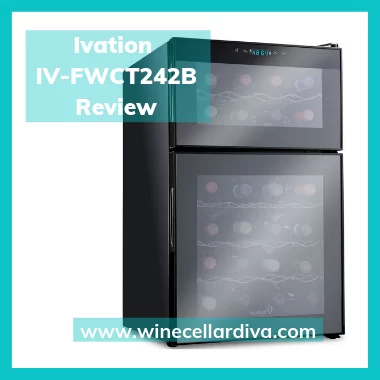
All wine lovers out there know just how important it is to provide the best environment for their prized possessions.

Introduction The Antarctic Star 5846 Wine Fridge: A Comprehensive Review Say goodbye to warm drinks and hello to perfect refreshment.

AKDY AK-WC0070 20-Bottle Compressor Wine Cooler with Open Bottle Storage While some wine drinkers are happy placing their reds, whites,
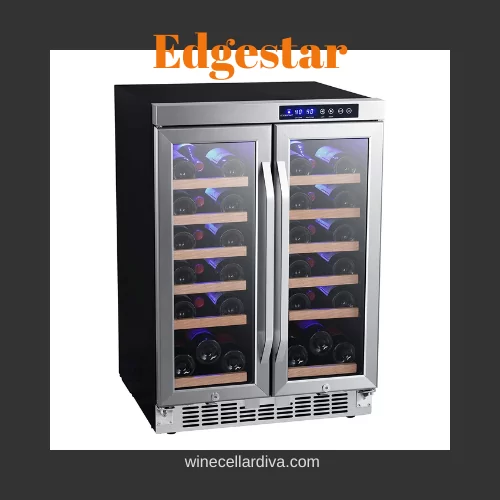
Edgestar CWR362FD Wine Cooler: Is it Worth Your Investment? Only the best wine connoisseurs know how to provide the utmost